
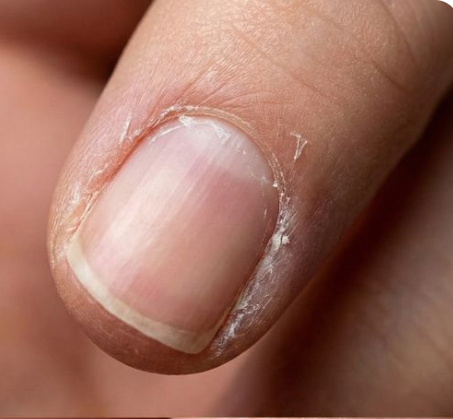
As we age, our bodies undergo various physical shifts, and our nails are no exception. If you have noticed vertical ridges—thin, raised lines running from the cuticle to the tip of your fingernails—after the age of 40, you are not alone. While we often worry when we see changes in our body, vertical nail ridges are usually a natural sign of aging, similar to getting wrinkles on your skin. However, understanding the science behind these lines can help you better support your overall health and nutrition.
Understanding Vertical Nail Ridges
Fingernails are made of a protein called keratin. As we age, the body’s production of natural oils and moisture decreases, and the nail matrix begins to grow unevenly, resulting in vertical lines. In most cases, these lines are completely harmless and are simply a marker of the natural aging process. However, they can occasionally be aggravated by nutritional deficiencies, dehydration, or circulation changes.
How to Restore and Protect Your Nails
- Hydrate: Dehydration directly affects the appearance of your nails. Drink plenty of water throughout the day to keep your nail bed hydrated from the inside out.
- Moisturize cuticles: Apply a drop of cuticle oil, jojoba oil, or olive oil to your cuticles and massage daily. This locks in moisture at the root of the nail.
- Dietary Support: Ensure your diet includes adequate protein, collagen, and healthy fats. Foods rich in Biotin (Vitamin B7), zinc, and iron support strong, smooth nail growth.
- Avoid Harsh Chemicals: Limit the use of harsh nail polish removers containing acetone, which strip the nails of natural oils and worsen the ridges.
When to Consult a Professional
While vertical ridges are normal, horizontal ridges (called Beau’s lines) are different. Horizontal grooves that run across the nail can be a sign of a past illness, high stress, or a systemic health issue. If you notice horizontal lines, deep discoloration, or if your nails become brittle and painful, it is always a good idea to consult a doctor or dermatologist for a professional evaluation.